
Mind the Gap — Line 2026
The State of
the Kingdom
Five stories shaping the UK in September 2026

Growth on the fast track
Growth on the fast track
The UK economy grew 1.6% in the year to July 2026 — its fastest pace since early 2025. July alone added 0.4%, beating expectations. The boost came mainly from services, especially software and computer programming, with AI helping businesses produce more. The UK also led the G7 in the first half of 2026 with 1% growth. But rising oil prices and the U.S.–Iran conflict could push inflation up.
No driver? No problem?
No driver? No problem?
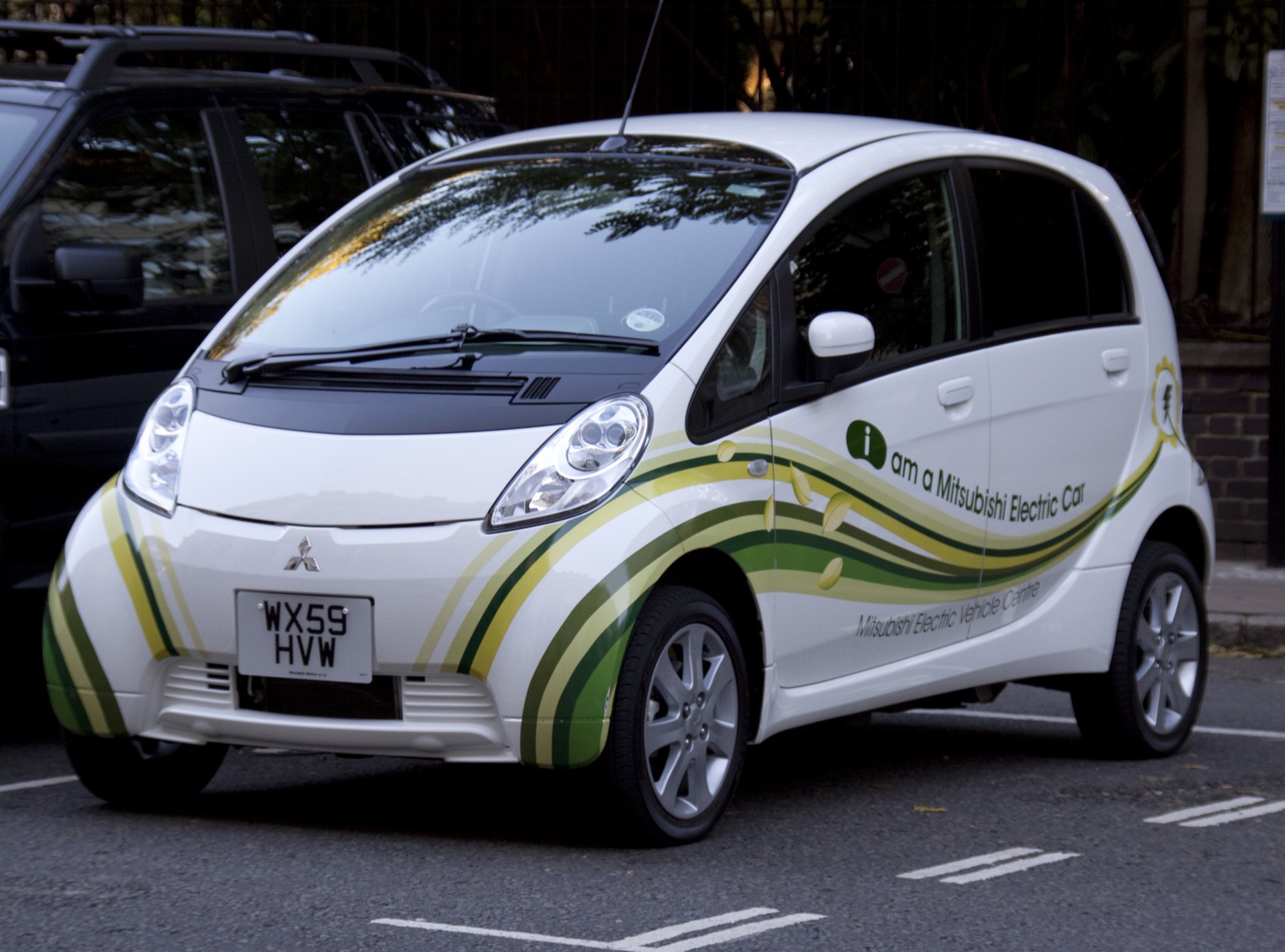
London has begun testing its first commercial self-driving taxis: 15 electric Ford Mustangs run by Uber and UK AI company Wayve, still with a safety driver on board. Robotaxis could make journeys cheaper and safer by reducing human error, and Goldman Sachs estimates the global market could hit $415 billion by 2035. But trust is low: 42% of Londoners oppose them, while only 29% support them. Job losses and safety remain key concerns.
A close vote
A close vote
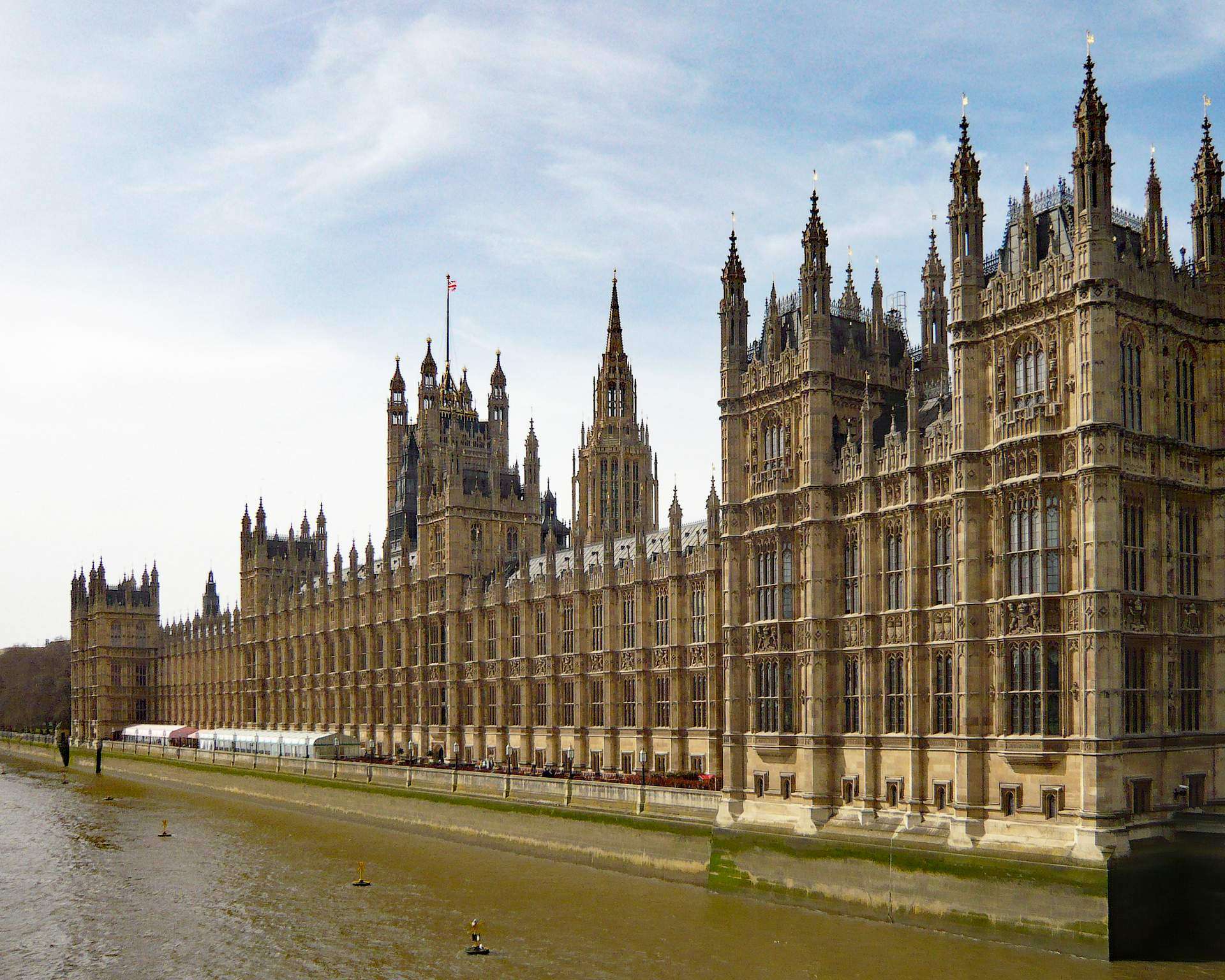
On 11 September 2026, after a four-hour debate, MPs rejected a bill to legalise assisted dying in England and Wales by 286 votes to 270. It would have allowed terminally ill patients with under six months to live to request medical help to die, with approval from two doctors and an expert panel. Countries such as Belgium, Canada, Switzerland and Uruguay already allow it. Prime Minister Andy Burnham, in office since July, chose not to vote to avoid influencing the debate.

Top of the class
Top of the class
UK students ranked in the global top 10 for reading, maths and science, bucking a worldwide decline. A study co-led by University College London found English schools kept stable standards despite post-pandemic absence and digital distractions, thanks to strong curriculum design and learning-recovery programmes. Challenges remain: a wide socio-economic gap, growing gender differences in science and high student anxiety.
The price of everyday life
The price of everyday life
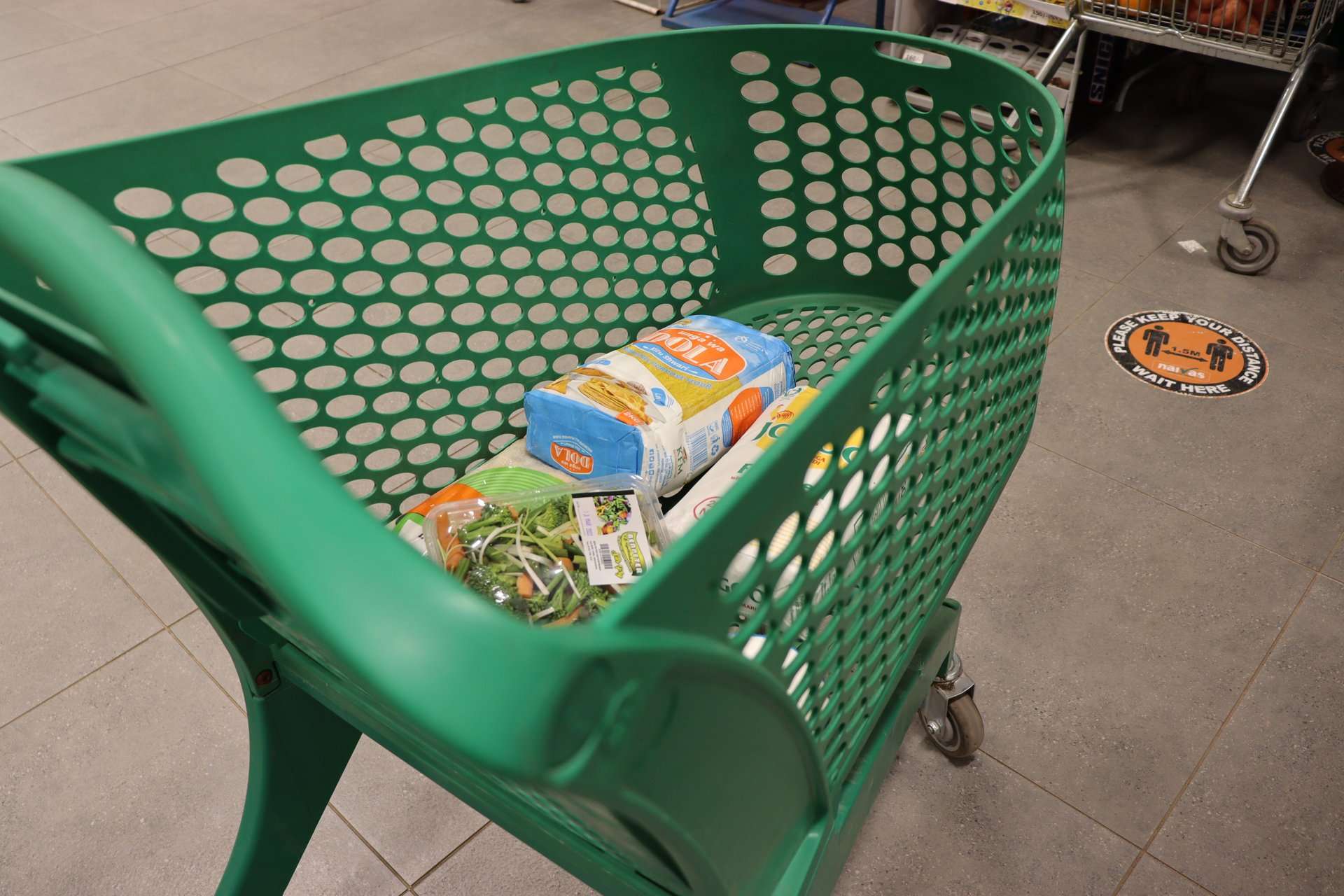
According to the Joseph Rowntree Foundation (July 2026), a record 7.4 million low-income families could not afford at least one essential — food, heating, clothing or toiletries — in the past six months. Around 5.6 million households went without enough food. Families with children, single parents and Universal Credit claimants are hit hardest, and many borrow or fall behind on bills. The JRF calls for stronger action to raise incomes and lower essential costs.
One more stop before the platform
Mind the facts
Five quick questions on everything you just rode past. No pressure, just for fun.
Playable interlude
Mind the actual gap
Every commuter's nightmare, gamified. Jump the gaps in the platform, dodge the closing doors, don't miss your train.
Runs faster the longer you last. Your best score stays on this device.